
Packaging does two jobs that pull in opposite directions: look good on a shelf, and survive six weeks in a steel box crossing the equator. Brands usually specify the first and assume the second.
Heat is the one people forget
Containers get hot. Plant waxes soften well below the temperature a container reaches in summer transit, which is where frosting and surface pull-away come from.
Glass
Glass rarely fails from a single knock. It fails at the corners, and from the compression of cartons stacked on top of it for six weeks. What protects it is fit: a divider that stops jars touching each other, and an outer carton rated for the stack it will actually sit under. Ask a supplier what the carton is rated for — the ones who have thought about it have an answer ready.
Finish decides how print survives handling. Matt laminate hides fingerprints but shows scuffs; gloss resists marking but shows every scratch under shelf lighting; foil and spot detail are the first things to rub off at a corner. Tell us the look you need and we will tell you what it costs you in durability.
Scuffing is the damage buyers notice most, because it happens to the outside of the box where it is visible on a shelf. It is largely a finish question rather than a board-thickness question.
The retailer spec problem
If you have a retailer with a packaging spec, send it at quote stage rather than after approval — it can change the vessel choice. Barcode placement, carton counts and outer-case labelling are cheap to design in and expensive to retrofit once a run is priced.
What we check before a shipment leaves
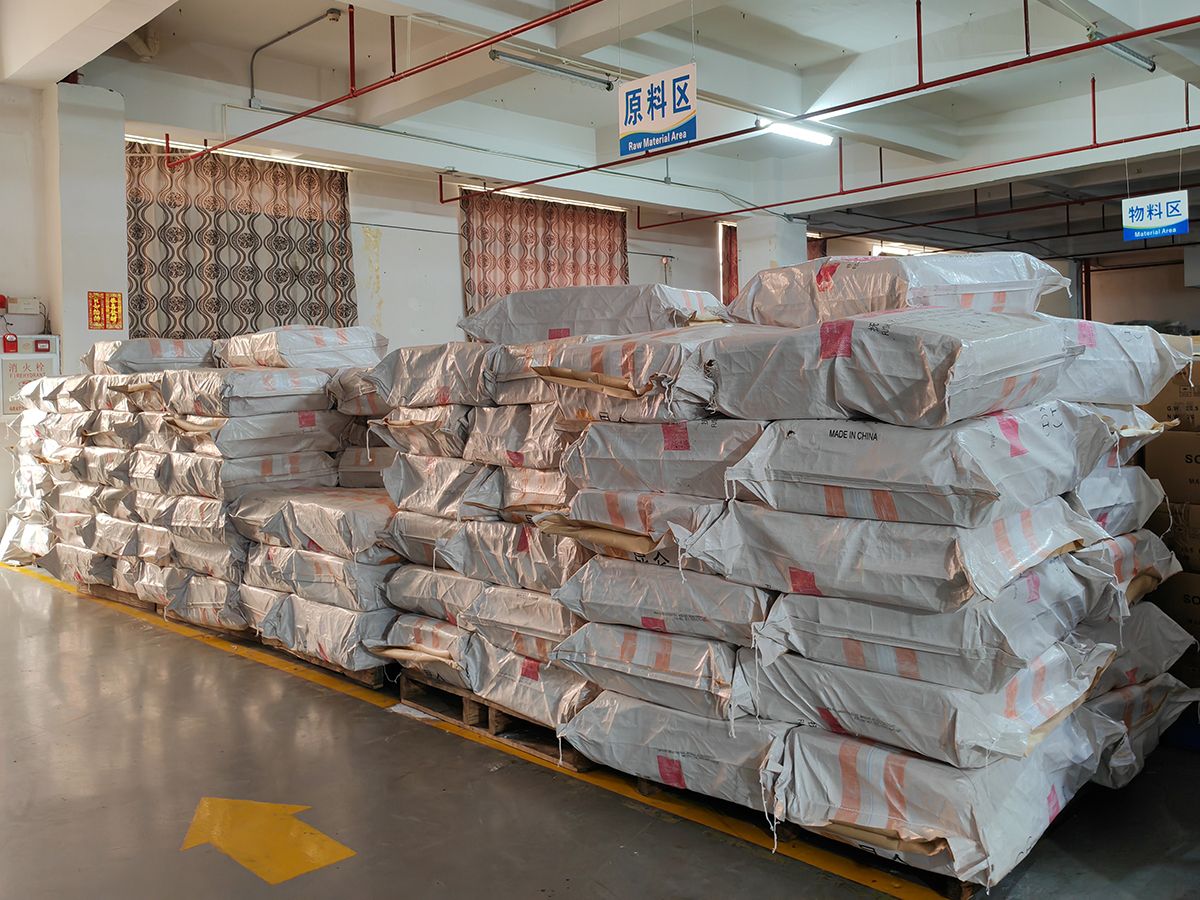
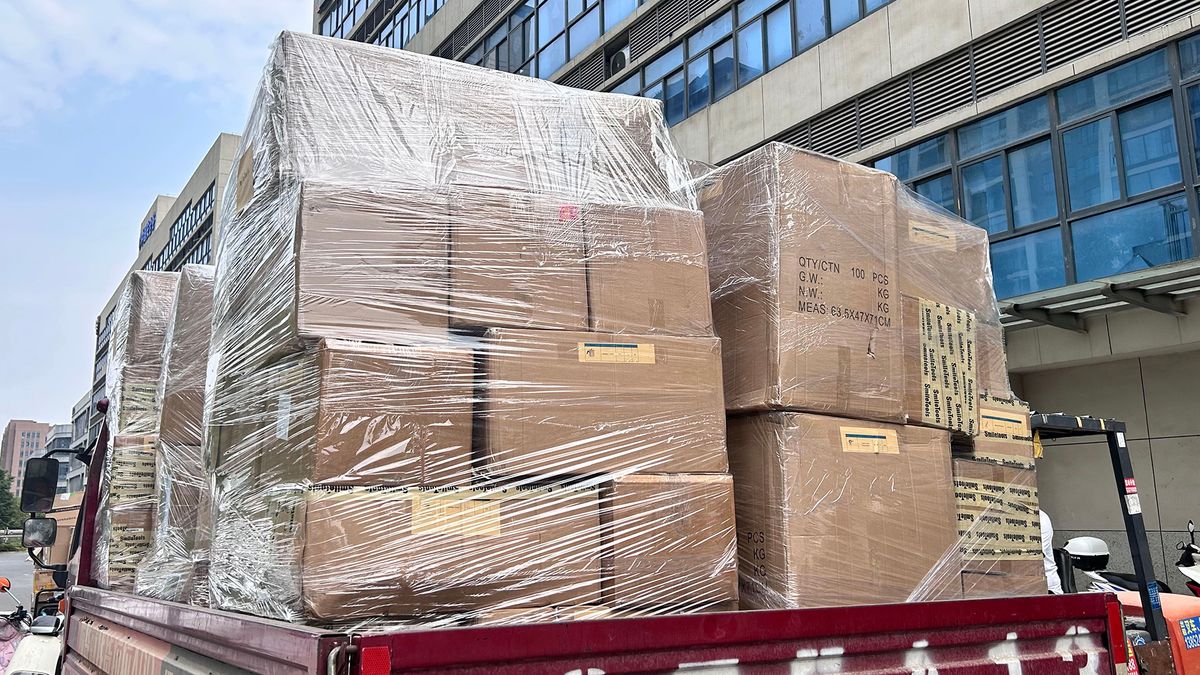
Burn, scent throw and appearance are checked against the sample you signed off — not against a written spec. After that it is the packing that gets checked: carton counts and outer-case labelling against the packing list, before the container is loaded.
Ask for photos of the packed cartons before the container is sealed. We can send them, and it costs nothing but the asking.